Courtney Levine Website
UX/UI Design, Brand Design, Photography, Photo editing
|
est. Nov 2025
Project Details
Roles
UX/UI Designer
UX Researcher
Prototyper
Teams
Solo
Duration
3 Months
Tools Used
Figma
Framer
Photoshop
CONTEXT
About the Project
Courtney Levine Diamonds is a wholesale diamond jewelry company that relied primarily on in-person relationships and word of mouth. As the business grew, they needed a digital presence that showcased their inventory, reinforced trust, and supported long-term scalability without functioning as a traditional e-commerce store. I led the design and execution of a viewing-focused website that allowed clients to explore products, understand offerings, and book appointments with confidence
Problem Statement
How might we increase Courtney Levine Diamonds digital presence to support long-term scalability?
Project Parameters
These are the limitations and constraints of the project, along with the strategies I took to work within them.
CHALLENGE 01
CONSTRAINT
The website needed to resemble a familiar e-commerce experience without supporting direct purchases.
SOLUTION
Design a browsing experience that mirrors standard e-commerce patterns to reduce user friction, while guiding users toward inquiry and appointment booking as the primary conversion action.
CHALLENGE 02
CONSTRAINT
The primary goal was product discovery and appointment booking, not checkout or conversion flows.
SOLUTION
Emphasize high-quality visuals to establish trust, value, and luxury at first glance, creating desire that leads to appointment requests.
CHALLENGE 03
CONSTRAINT
The product catalog was large and continuously growing, requiring a scalable structure within these constraints.
SOLUTION
Create a clear, intuitive cataloging system that allows users to explore products efficiently, using Framer's CMS strategically to support scalability while avoiding unnecessary complexity.
CHALLENGE 04
CONSTRAINT
The experience needed to appeal to both wholesale buyers and new clients without diluting the luxury brand.
SOLUTION
Balance familiar e-commerce patterns with elevated design and imagery that maintains luxury positioning while remaining accessible to both audiences.
Planning Stage
Refined designs with full visual treatment, incorporating luxury brand elements, high-quality product imagery, and polished UI components to create an elevated e-commerce experience.
LOW-FIDELITY
WIREFRAMES
Created low-fidelity wireframes to establish the site structure and user flow, focusing on intuitive navigation and clear product discovery paths for both wholesale clients and new customers.

HOME

Jewerly
FINAL DESIGN
HIGH-FIDELITY DESIGNS
Refined designs with full visual treatment, incorporating luxury brand elements, high-quality product imagery, and polished UI components to create an elevated e-commerce experience.
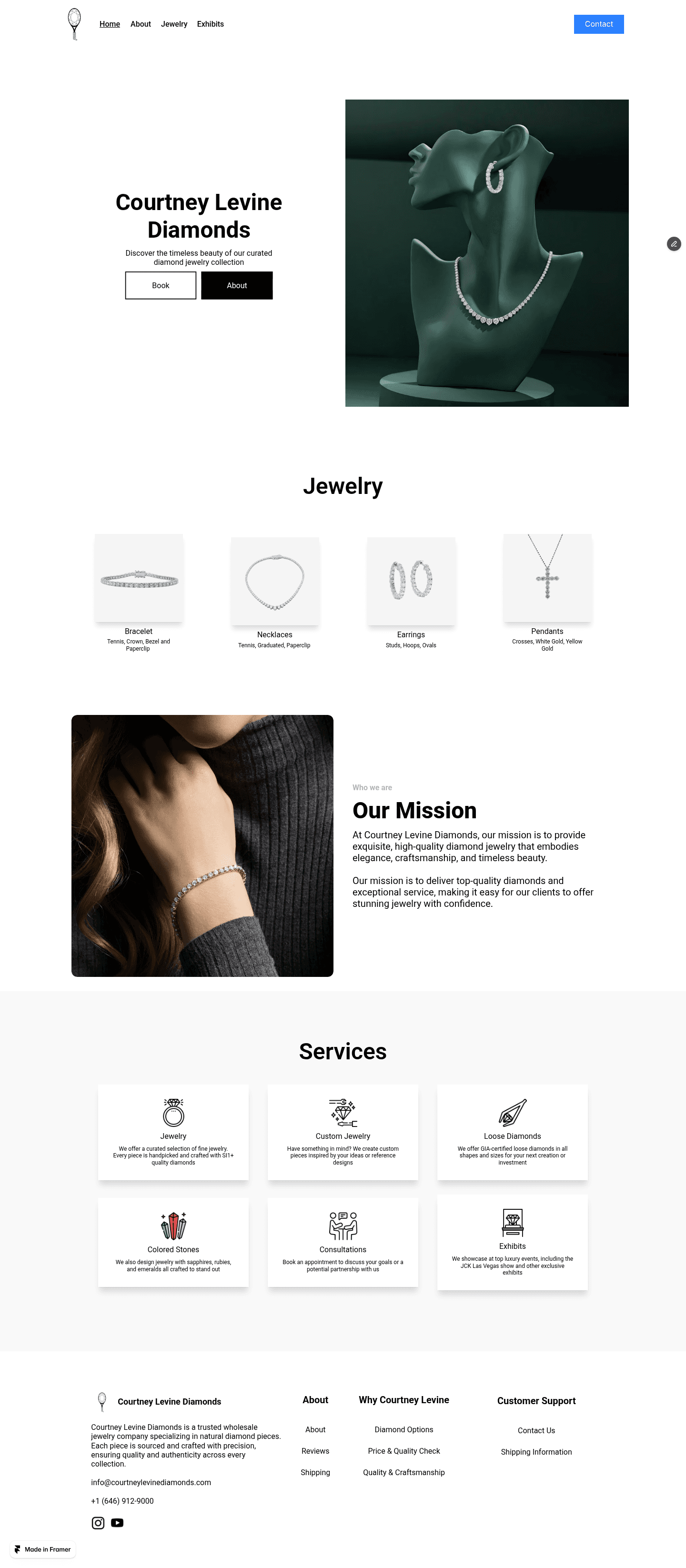
HOME
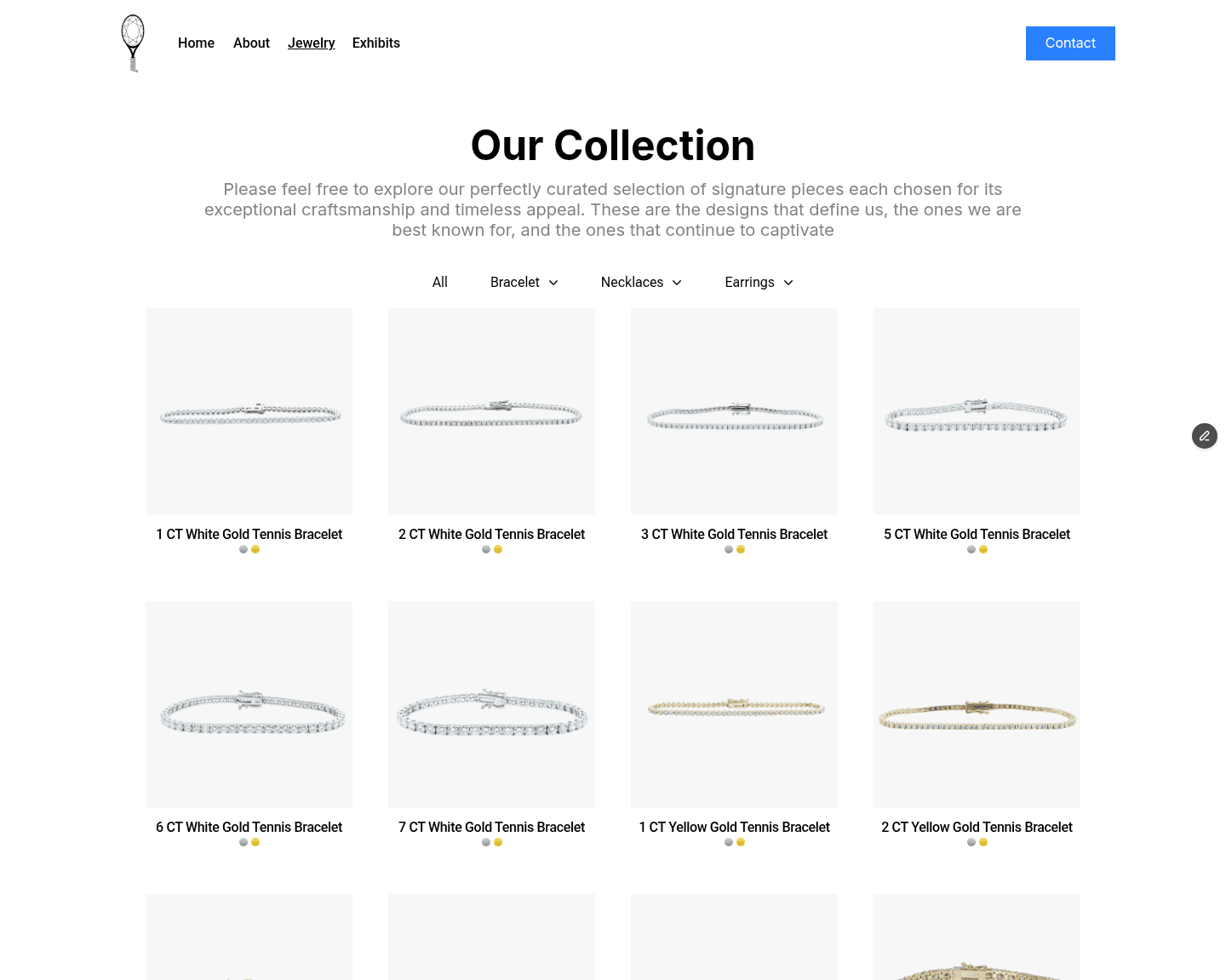
Jewerly
Product Photography & Visual System
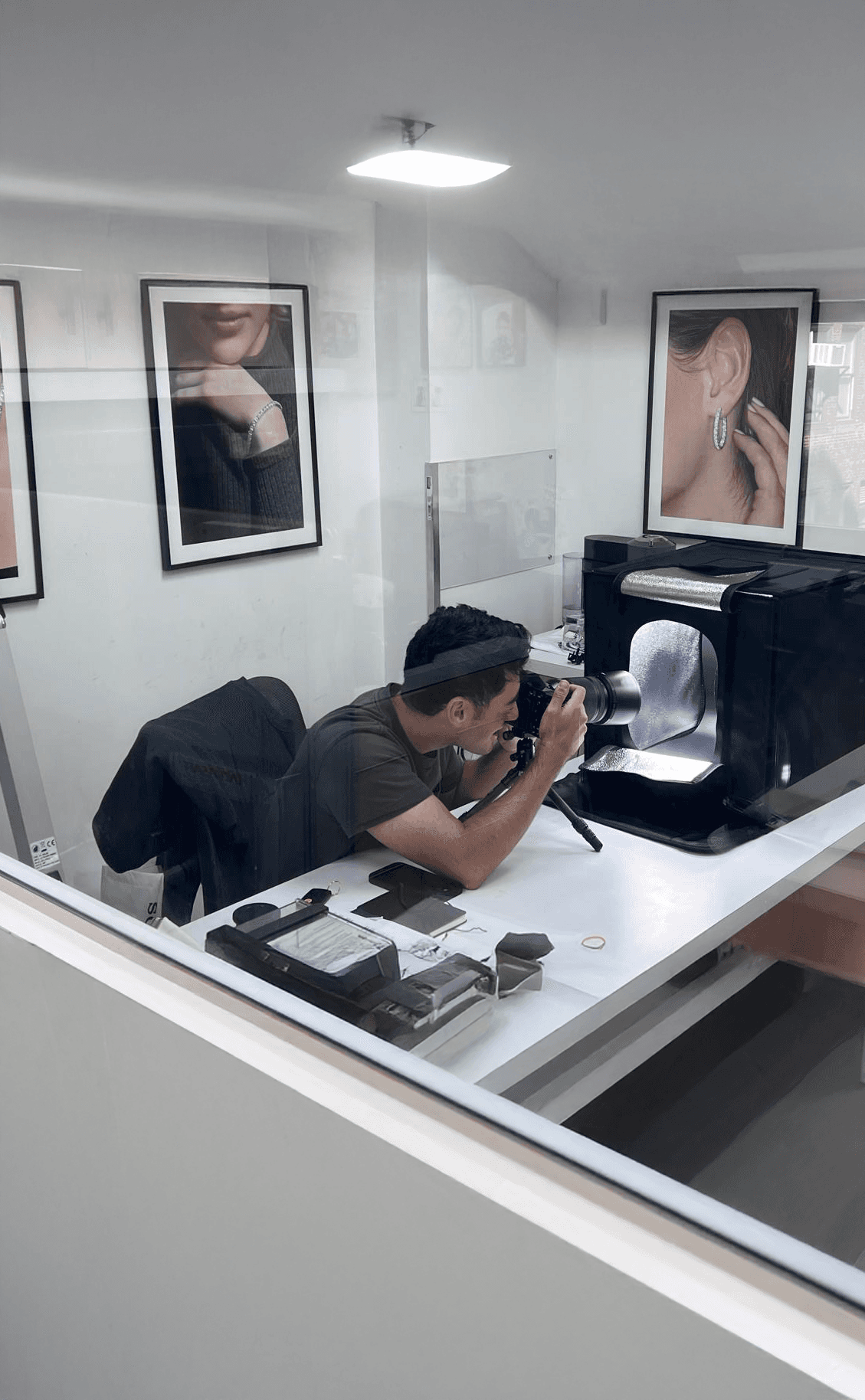
Building a scalable website for Courtney Levine Diamonds required high-quality product imagery for every piece in the catalog. Because the site relied on visual discovery rather than direct purchase, photography became a core product constraint rather than a supporting asset.
Before
After
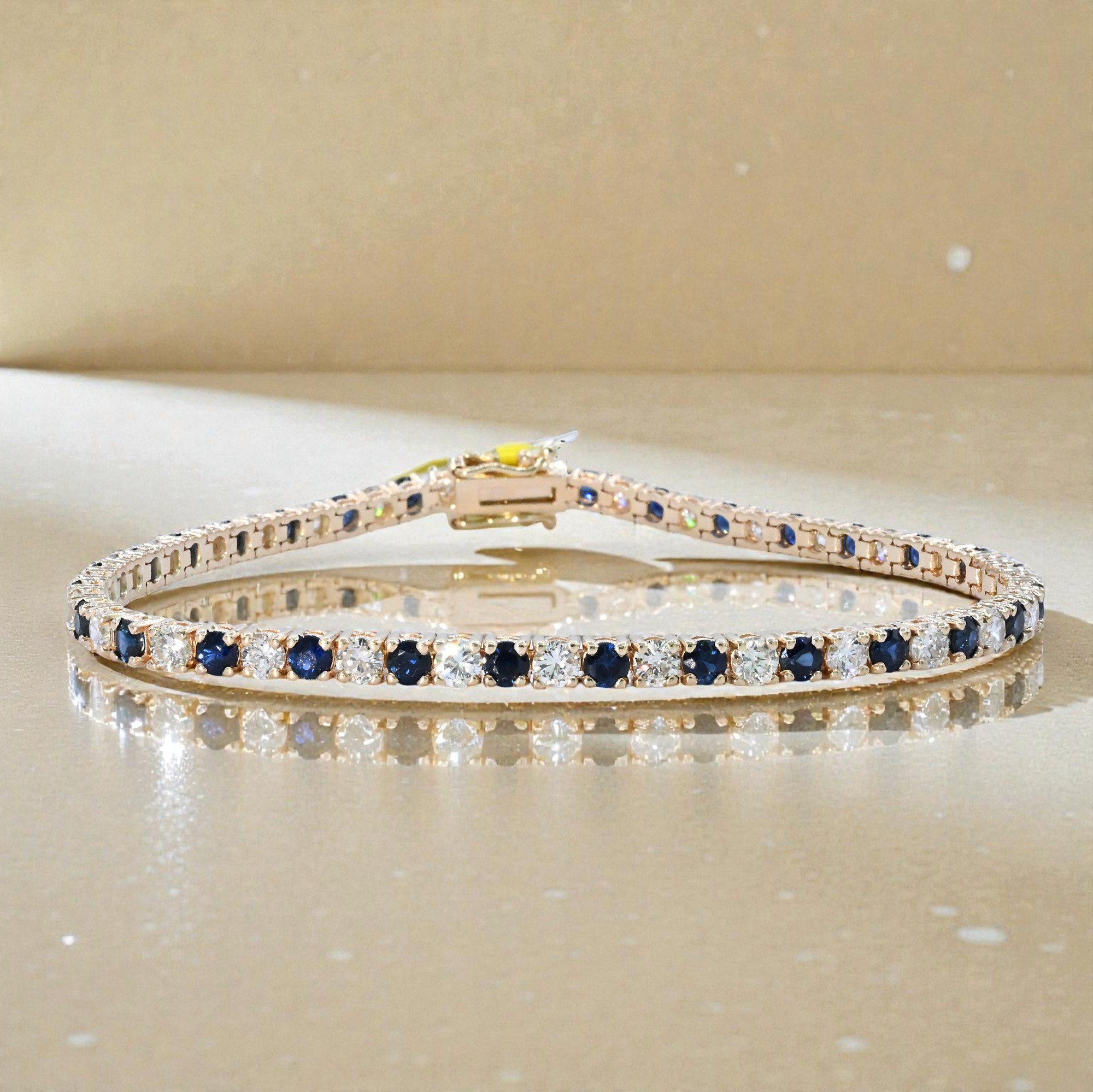

Content Creation
I created Courtney Levine Diamonds social media accounts and managed their ongoing content. I was responsible for planning, filming, editing, and posting high-quality photo and video content focused on showcasing inventory, craftsmanship, and material quality.
The goal was to establish a consistent visual presence, build credibility within the diamond wholesale industry, and give the brand a recognizable digital identity beyond word-of-mouth. This content helped position the company as a modern, trustworthy wholesaler while driving awareness back to the website and supporting in-person appointments.
Reflection
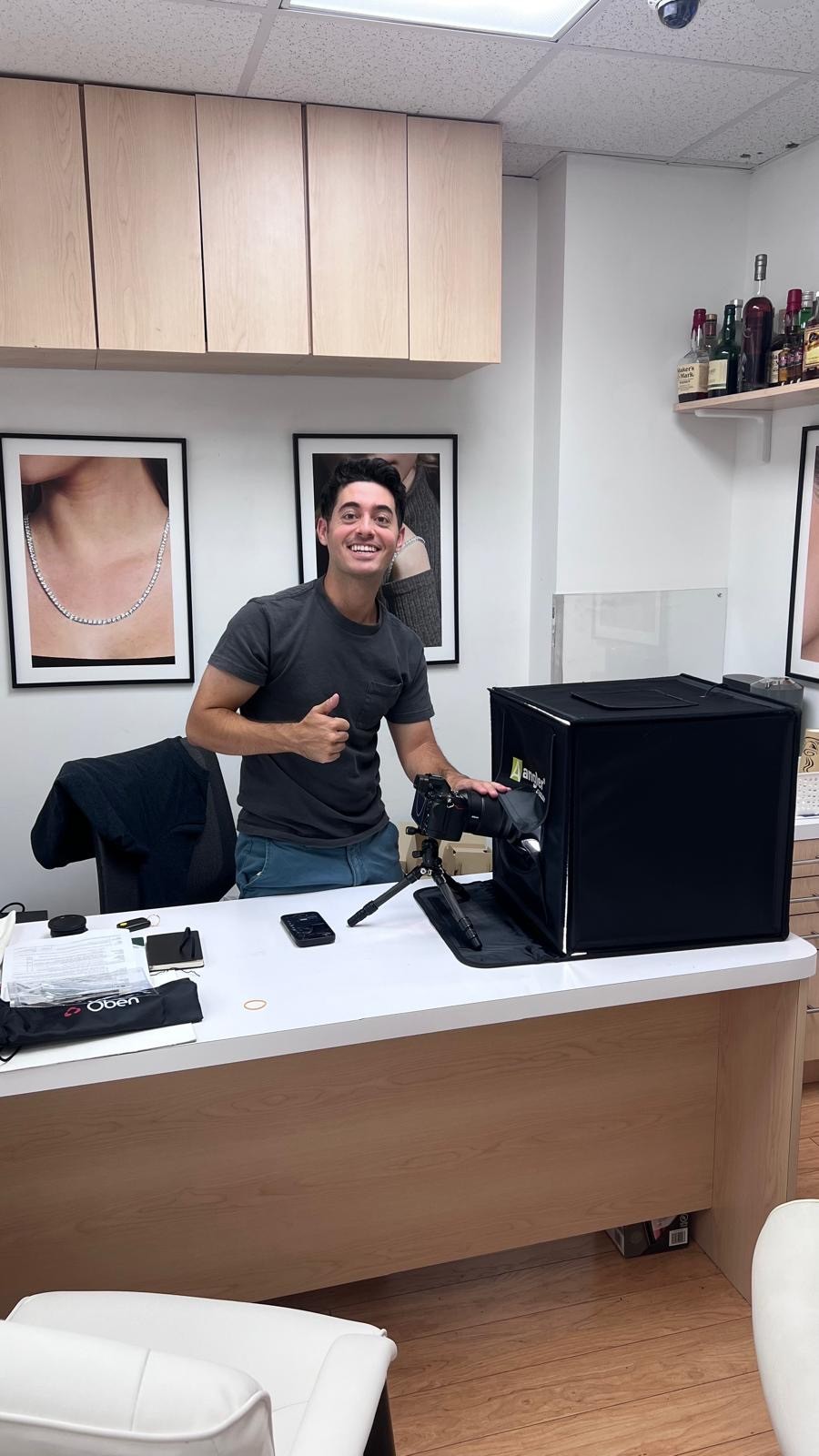
This project forced me to think bigger than just "deliverables." I wasn't handing off mockups to a dev team—I was building everything myself and watching it go live. Working with my family's company meant real stakes, real feedback, and actual business outcomes riding on my decisions.
I ended up wearing every hat: UX designer, visual designer, photographer, content creator, systems architect. The website structure, the photography workflow, the social content—all of it had to work together and scale without falling apart. Every choice came down to: will this still work when there are 500 products? Will clients trust this? Does it actually solve the problem?
Watching the business actually grow from this work—more inquiries, better brand recognition, real revenue—hit different than any school project ever could. It proved to me that good product design isn't about making things look nice, it's about understanding the problem deeply enough to build something that actually moves the needle. That's the kind of work I want to do: embedded in real problems, building systems that last.